ViewPoint Opinion Piece Published in the Eugene Weekly, April 2026
Animal Liberation Is Part of the Social Justice Tapestry
By Hope Bohanec, Executive Director of Compassionate Living
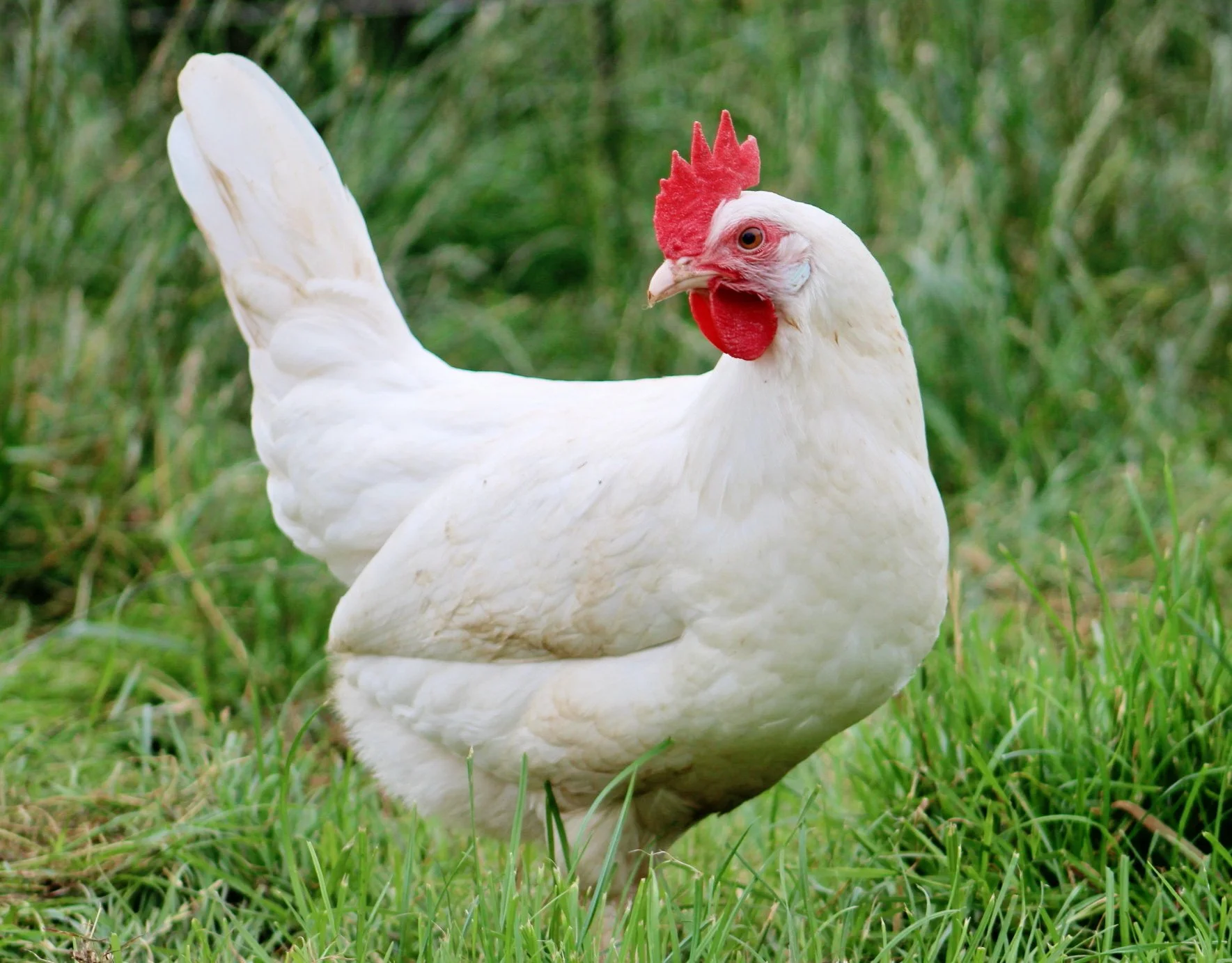
Right now, someone in our community is being confined against her will, subjected to forced pregnancy, and enduring painful body mutilations without pain relief. When her baby is born, he will be taken from her. She will suffer psychological and physical anguish from her ordeal, and it will end not in freedom but in death, long before her natural lifespan. She is not alone. There are millions like her in Oregon. This is not a distant injustice; it is normalized, institutionalized, and hidden in plain sight in animal farming.
For some, veganism is seen simply as a dietary choice. But for many, it is a justice movement and a refusal to participate in a system of violence. At its core, veganism is an economic boycott of an unjust and unsustainable industry, but there are also broader implications that are ethical, philosophical, and for some even spiritual. Living as a vegan challenges the systematic exploitation of billions of sentient beings and calls for a more just and environmentally sustainable food system. Yet animal liberation is frequently pushed to the margins of social justice—if it is recognized as a legitimate movement at all. Why?
Part of the answer lies in speciesism, the belief that one species is inherently more valuable than others. Like racism, sexism, homophobia, transphobia, and other systems of structural oppression, speciesism is embedded in our culture and shapes assumptions we rarely question. It creates the widespread exploitation and killing of animals on a staggering scale. Once we acknowledge that animals are harmed through commodification, it becomes difficult to avoid the conclusion that veganism is inherently political. Animals matter morally, ethically, and politically, and animal liberation belongs within the broader social justice tapestry. A shift toward a vegan ethic would dramatically reduce animal suffering, but it would also alleviate significant forms of human suffering. Animal agriculture is connected to climate change, food insecurity, public health crises, and corporate control of our food system. Our fate is intertwined with how we treat other beings. Scientific research, along with common sense, clearly shows that non-human animals experience pain, anxiety, and trauma, and that they are also deeply emotional and sentient. They grieve, they rejoice, and they value their lives. Farmed animals endure profound psychological distress from standard industry practices such as confinement, deprivation, separation of family and friends, and the denial of agency.
Recognizing speciesism can be uncomfortable because it challenges deeply ingrained norms. Even compassionate, progressive people can fall into the cultural trap of perceived human superiority and have speciesist tendencies and practices. Advocates for immigrant rights, racial justice, climate action, and global human rights often recognize that their work is part of a broader struggle against systems of domination. Even some animal advocates fail to recognize that these struggles are interconnected—animal liberation belongs within this shared framework.
Resistance to this idea often stems from what comes after recognition: responsibility. To recognize animal exploitation as a justice issue is to confront our own participation in it. Veganism asks that we examine every day what we eat, buy, wear, and normalize. These changes reach into our habits and social relationships, forcing us to confront uncomfortable truths about our behaviors and practices. At the same time, this is precisely what makes it so powerful, because individuals are inspired to create meaningful change through everyday actions. Our food choices are not trivial, they shape industries, ecosystems, and lives. Choosing animal-free products is one of the most immediate and impactful ways to reduce harm—to animals and our planet. It offers an opportunity to expand our circle of compassion and to challenge a long-standing paradigm of domination. Veganism reveals speciesism as a system of oppression and invites us to imagine a different kind of world, one in which no being is exploited, confined, or killed for profit simply because they belong to another species.
Plant-based is the global future of food, and it starts locally. The second annual Eugene VeganFest on Sunday, May 3, at the Lane Events Center offers a space to visualize that future in tangible ways. With local vendors offering the best vegan food in the area, animal rescues, eco-forward businesses and more, the event provides a glimpse of a more sustainable and compassionate future and an opportunity to help create a healthier and kinder community for all.
Hope Bohanec is the organizer of the Eugene VeganFest (www.EugeneVeganFest.org) and the Executive Director of Compassionate Living. (www.compassionate-living.org)
Thanksgiving Reflections
By Hope Bohanec, Executive Director of Compassionate Living
Ah tradition. Like the sturdy railing along the edge of the vast Grand Canyon, we cling to it with a sense of security and reassurance. Traditions are the threads that weave the fabric of society, shaping our identity and connecting us to our past. However, as each generation passes recipe cards to the next, it is imperative that we pause to examine our traditions with an eye toward ethics, sustainability and morality.
One such tradition that is currently under the microscope is the practice of confining and slaughtering billions of farmed animals, and particularly poignant this month, the Thanksgiving turkey. The iconic image of a family gathered around a table with a massive bird carcass as the centerpiece has been etched into our collective consciousness as the quintessential scene of the fourth Thursday in November. But what was traditionally seen simply as “food” by older generations requires deeper reflection as the ethical complications of this traditional holiday meal have become the subject of scrutiny.

For most of us in the US, Thanksgiving is a special time for family, football, filling food, and a little time off from the daily grind. However, for many vegans, although we enjoy all these things, at no other time of the year do we feel the acute sense of why we are vegan. The mood of the holiday is about giving thanks, but how can we be grateful for our many blessings while simultaneously turning a blind eye to the suffering of millions of sensitive, sentient birds? For vegans, this paradox is particularly poignant on this holiday, when the mass consumption of turkeys is not only accepted, but expected.
Turkeys bred for the holiday meal are packed into long, windowless buildings by the thousands. Much like chickens bred for their meat, turkeys are overcrowded and forced to live in their own waste with no ventilation, no sunshine, and no semblance of a natural life. Turkeys have been genetically manipulated to become so heavy that their bones are too weak to support their weight and they suffer from leg deformities and joint pain in their first few weeks of life. The birds go to slaughter as young as 12 weeks old, even though their natural lifespan can be a decade or more, they never see their first birthday.
As people become aware of the miserable conditions birds endure in the poultry industry, companies are attempting to appease customers by describing turkey meat as “humane” or “free-range.” I have personally gone to both conventional and “free range” turkey farms and unfortunately, these labels are largely insubstantial and unregulated and animals are still debeaked, detoed, violently handled, and sent to a frightening, painful slaughter—their decapitated and dismembered bodies sold under these “humane” labels.
Another reality that has come into our awareness in recent years is the devastation of the animal agriculture industry and how much more destructive farming animals is for our planet when compared to plant farming. Research done at Carnegie Mellon University found that a 16-pound dead turkey creates 34.2 pounds of CO2. You can combine the of gravy, mashed potatoes, roasted Brussels sprouts, biscuits, cranberry sauce, and apple pie for 14 guests and it would be equal to the impact of just the turkey meat. Further, according to the USDA, it is estimated that families waste around 35% of the turkey flesh, increasing the environmental impact by 54%.
There are numerous delicious vegan options for holiday centerpieces found in the frozen section of most every grocery store in Eugene and the surrounding area. A stuffed pumpkin or other large squash can also make a beautiful, more compassionate and more healthful centerpiece. All the traditional side dishes can be easily veganized with non-dairy milks and other plant-based alternatives. I have heard people report that vegan egg nogs taste much better than the old version.
Tradition should uplift and strengthen a community. As long as a tradition causes suffering, it is hindering our entire community’s ability to thrive. Let’s honor the symbol of our holiday, the turkey, by not exploiting and killing her. As we gather around the table this Thanksgiving, let’s celebrate a new tradition of compassion and kindness, for all species on earth.
ViewPoint Opinion Piece Published in the Eugene Weekly, April 2025
Our Personal Food Choices Effect Our Community
By Hope Bohanec, Executive Director of Compassionate Living
The current tumultuous political climate has left many in our community feeling powerless and vulnerable. Amidst immediate concerns like climate disasters, declining health and well-being, and rampant injustices, we are now confronted with the reality that relying on government or legislation to effect positive change in the near future is likely futile. However, there are choices we can make and daily actions we can take to alleviate suffering, support the planet, and nurture our bodies. Eugene has been a hub for community-led action and we have been at the forefront of embracing vegetarianism, veganism, and eco-conscious lifestyles. It's vital that we collectively work to amplify this progress on a grassroots level to effect the necessary changes for our survival on planet Earth. Personal choices hold immense power, and one of the most significant choices we can make every day, that impacts numerous aspects of our lives, is the food we choose to buy, cook, share, and eat.
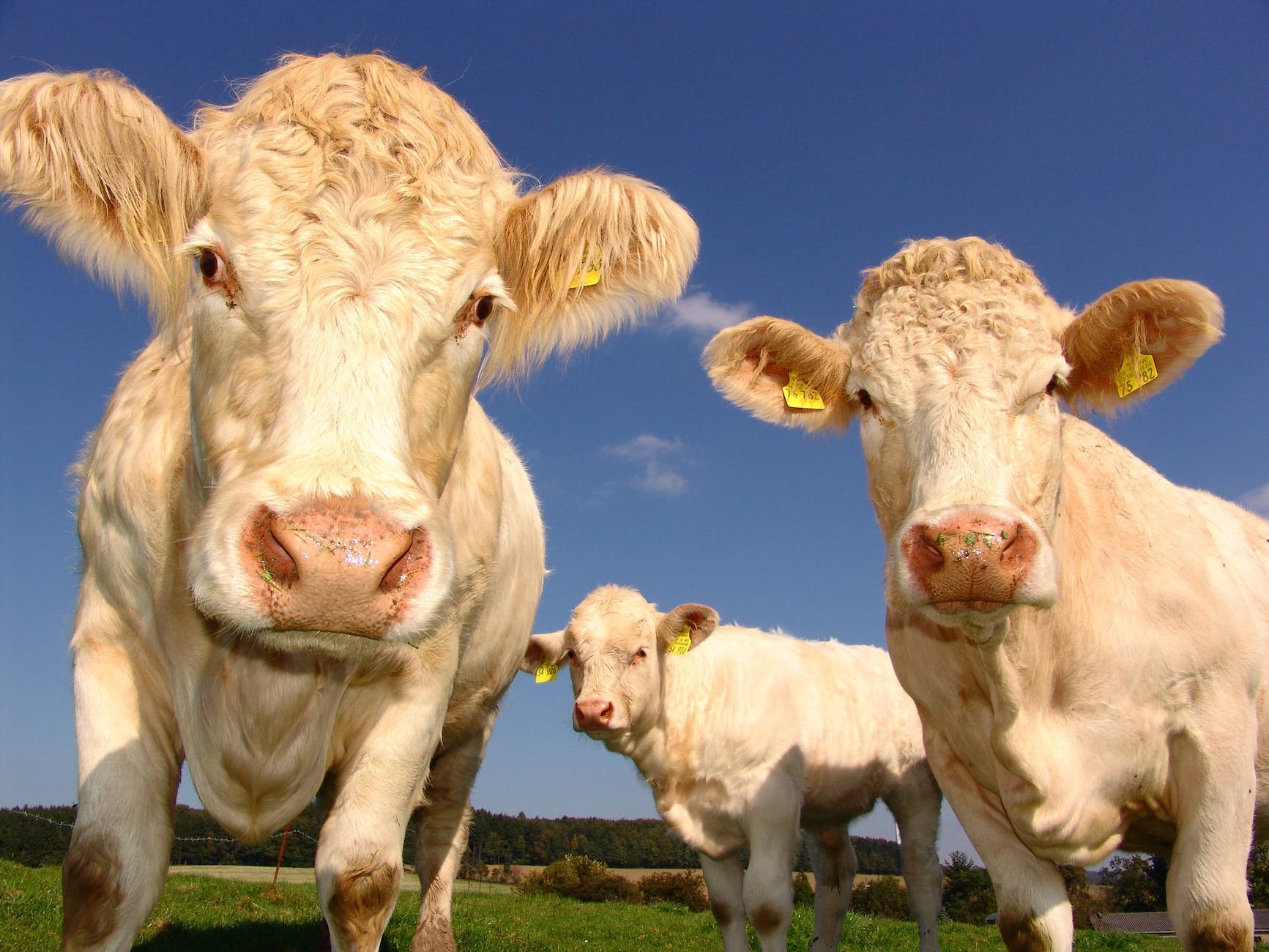
Many people agree that our food system is broken and that it harms workers, animals, and the environment. As more people wake up to animal exploitation, the epidemic of degenerative disease, the climate crisis, and other negative impacts of animal derived foods, veganism offers a solution. At its core, vegan living is an economic boycott of a cruel, unsustainable, and harmful industry. However, vegan philosophy transcends this to also encompass a social justice strategy for a just, global food system as well as a profound appeal for nonviolence and compassion for all animals with whom we share this planet. Vegan living helps to considerably reduce one’s climate footprint, promotes fairness for those lacking access to healthy foods, and can help us potentially avert the next pandemic—just by extending our compassion to all sentient beings. Veganism reminds us just how political food is.
The damage that is being done to our planet is an imminent threat to our collective survival. Scientific research overwhelmingly demonstrates that producing food from animals has a significantly greater environmental impact compared to producing food from plants with equivalent dietary value. These studies consistently show that, regardless of the production method or product label, plant-based foods repeatedly require less water, energy, and fossil fuels and generate substantially fewer greenhouse gas emissions than comparable calories of meat, dairy, and eggs. We are experiencing this damaging effect in Eastern Oregon with nitrate-laden drinking water caused primarily by animal agriculture. Eating plant-based is eating planet-based.
Experts agree that we need both systemic and individual behavior change to support a global transition to plant-based diets to mitigate climate disasters and alleviate numerous other impacts of animal agribusiness. While working to create systemic change is crucial—it’s incredibly challenging and agonizingly slow. Individual actions that support and demand these larger shifts can happen now, today, with your next meal.
Having been vegan for 35 years, I have witnessed the remarkable progress we’ve made in a relatively short period of time. In just a couple of decades, we have seen plant-based milks become common at coffee shops, most every restaurant menu offering vegan options, and countless cruelty-free products in grocery stores. This progress was made because of individuals standing up against injustice and making compassionate choices. Every day, I am inspired to reclaim our agency and harness the collective power of our plates. Together, we can continue this progress to dismantle oppressive systems of violence and alleviate immense suffering.
Plant-based is the global future of food, and it starts locally. Join us for the first ever Eugene VeganFest on Sunday, May 4, at the Lane Events Center for a celebration of compassionate community. We will have dozens of local vendors featuring delicious plant-based food, animal sanctuaries that rescue animals in need, eco-forward products that help heal our planet, and more. We have two presentations rooms—the Impact Room will delve into various topics revealing the ethical and environmental reasons to be vegan and the VitalityRoom will focus on the health and nutritional advantages of a plant-based diet. Come and learn how much power you have to help make our community a more sustainable, healthier, and kinder place for all.
Hope Bohanec is the organizer of the Eugene VeganFest (www.EugeneVeganFest.org) and the Executive Director of Compassionate Living. (www.compassionate-living.org)
Resources:
https://www.science.org/doi/10.1126/science.aba7357
https://www.newsweek.com/even-one-persons-food-choices-effect-whole-planet-opinion-2030211